 CULTURETECHLENS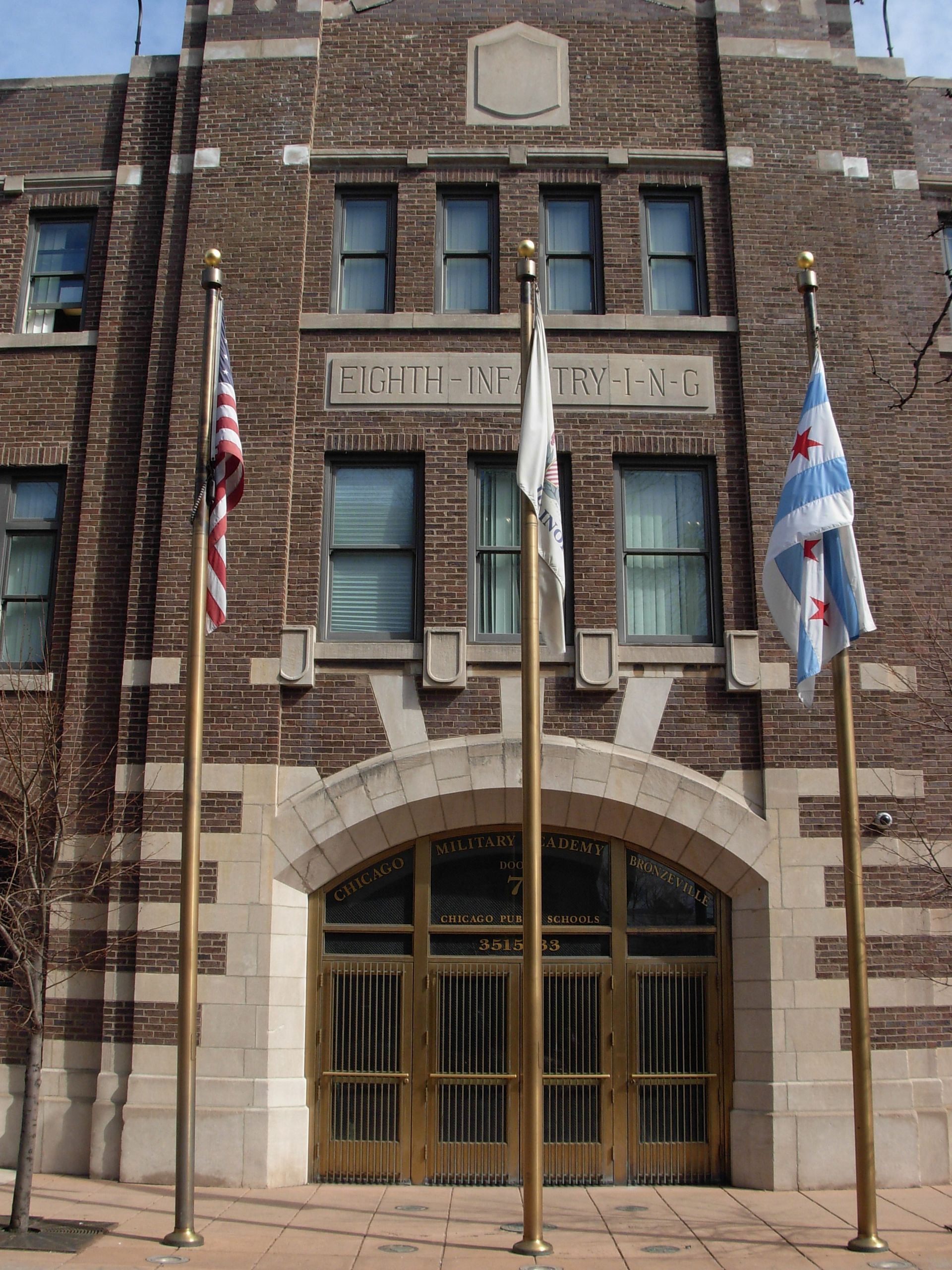
Photo: Steven Kevil, CC BY 3.0, via Wikimedia Commons
CTL-IDX-001 — The CultureTechLens Index: Methodology
CTL-IDX-001 — The CultureTechLens Index: Methodology
CULTURETECHLENS · “Culture, Clearly Seen.” · Black Cultural Intelligence
Program spec v1.1 — 2026-09-28. Status: METHODOLOGY FINALIZED; Edition 2026-10 published.
1. What it is
A monthly, data-driven ranking of cultural figures, moments, artifacts, or places drawn from Black Chicago’s cultural record — published by CultureTechLens NFP as a citable public source. Each edition ranks one category per month on a transparent, reproducible 0–100 score.
The Index measures cultural resonance — how present a subject is in the documented record and in current public attention — not worth, greatness, or moral standing. Rankings describe the data. They do not crown winners.
2. Cadence and rotation
- Published monthly, on the first Tuesday of each month.
- One category per edition, rotating: Figures → Moments → Artifacts → Places → repeat.
- Each edition ranks exactly 10 subjects (the “CTL 10”).
- Special editions (anniversary months, e.g., Black History Month) permitted; methodology unchanged.
3. Scoring model (v1)
Index Score (0–100) = weighted composite of three signals:
| Signal | Weight | Source | What it measures |
|---|---|---|---|
| Public attention | 40% | Wikipedia pageviews API, trailing 30 days, log-normalized across the candidate set | How much the public is looking this subject up right now |
| Evidence depth | 40% | The edition’s source research package (named in each edition; CTL-KG-CORE-001 once package ingestion is complete): verified + provisional claim counts, verified relationship counts, and full-biography bonus, normalized across the candidate set | How deeply CTL’s own research corpus documents the subject |
| Momentum | 20% | Wikipedia pageviews, trailing 30 days vs. prior 30 days | Whether attention is rising or fading |
- Scores rounded to one decimal. Ties broken by evidence depth, then alphabetical.
- Every edition publishes the full signal breakdown per subject — never just the rank.
- Candidate pool: subjects drawn from CTL’s verified research corpus (flagship packages, knowledge graph). No subject enters the ranking that CTL has not independently documented.
- Recomputation is scripted (
ctl-index.py); no hand-tuned scores, ever.
4. What the Index does NOT do
- It does not rank living people by “importance” or “greatness.” Figure editions are framed as most documented / most referenced, and the copy says so explicitly.
- It does not present rank as value. Edition copy uses “highest-scoring in this month’s set,” never “most important.”
- It does not use superlatives the data cannot support (“world’s leading,” “definitive”).
- It does not change methodology mid-year. Annual methodology review each January; changes versioned (v1, v2…).
5. Citability standard
Every edition ships with:
- A stable URL (
culturetechlens.com/research/culturetechlens-index/; Beehiiv mirror until the site is live). - A suggested citation string.
- A downloadable CSV of the full scored table (all 10 subjects, all signals).
- A link to this methodology document.
- A version date and a public corrections log.
6. Monthly production workflow
- Candidate selection (founder + research lead): 12–15 candidates from the CTL corpus for the month’s category.
- Data pull (scripted): pageviews + KG evidence depth → scored table.
- Editorial pass: one-line “why it moved” for each subject; trend arrows vs. prior edition (same category).
- Rights review: imagery only where rights-cleared; Object Biographies and diagrams preferred.
- Publish: site + newsletter, first Tuesday of the month, 6:00 AM CT.
- Pitch: embargoed media outreach 3 days prior.
- Measure: track citations, pickups, and inbound links; iterate.
7. Limitations (published with every edition)
- Wikipedia pageviews skew toward subjects with English Wikipedia articles and internet-era attention.
- CTL’s corpus skews toward what CTL has researched so far; under-documented subjects score lower on evidence depth by construction.
- The Index reflects resonance in the record, not community sentiment on the ground.
- Monthly recomputation means ranks move; movement is signal, not verdict.
8. Branding
Every edition carries the CULTURETECHLENS wordmark, “Culture, Clearly Seen.” “Black Cultural Intelligence,” and the black / deep red / gold identity.
Change log
- 2026-09-28 — v1.0 methodology finalized. Pipeline scripted. Edition 001 topic pending founder decision.
- 2026-09-28 — v1.1: evidence-depth source clarified. Until research packages are ingested into CTL-KG-CORE-001, evidence depth is computed from the edition’s named source research package (same formula family: claim grades + relationship counts + biography bonus). The source package is always named in the edition. No scores change hands — only the corpus address.
Trust & evidence
Evidence before authority. CultureTechLens publishes its methods, its limits, and its corrections alongside its findings. Claims carry grades — VERIFIED, SUPPORTED, PROVISIONAL, DISPUTED, UNRESOLVED — and unknowns are never reported as zero.